Professional Services

Getting Paid Without Chasing It.

No counter, no queue — just an invoice that has to turn into money. Payment links a client can use from the email, bank debits for the larger balances, retainers that bill themselves, and a card keyed over the phone when that is what it takes.

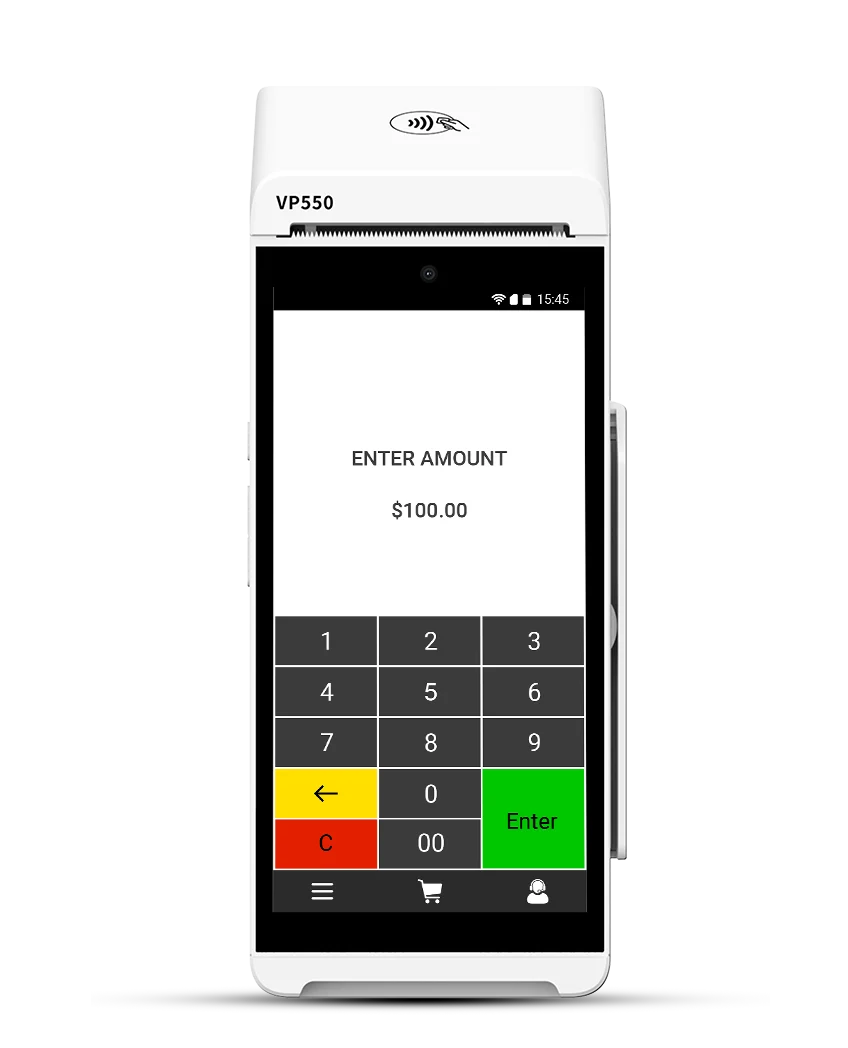
Virtual Terminal Illustrative
Payment links ACH & eCheck Recurring retainers Keyed by phone

Illustrative. What you actually need is decided with you — most firms need no hardware at all.

How a firm gets paid

Every way an invoice turns into money.

A firm without a counter still has payment points — they are just spread across an inbox, a phone, a client’s premises and a billing cycle. Each one has a different failure mode, and all of them settle into the same place. Pick a point to see how it is handled.

One merchant accountOne reconciliationEvery payment matched to its invoice

Invoice & links

Let the invoice be the thing that gets paid.

A payment link on the invoice means a client can settle from the email it arrived in, at the moment they read it, without a phone call to either side. The payment carries the invoice reference with it, so it arrives already matched rather than needing to be found later.

  • HandlesHosted checkout, payment links, card and bank payment on one page
  • Good forTerms invoices, fixed fees, anything sent by email
Online Checkout Illustrative
Phone & virtual terminal

A payment device that is just a browser.

Some clients will always want to read a card number down the phone. The virtual terminal turns any computer into a way to take that payment — no hardware, no install. Keyed transactions carry more risk than card-present ones, so address and security-code verification are normally required.

  • HandlesKeyed card payments, refunds, receipts, stored customers
  • Good forPhone payments, deposits taken during a call, back office
Countertop POS Illustrative
On site

Paid before you leave the driveway.

For work done at a client’s premises, the gap between finishing and invoicing is where payment terms go to die. A paired reader takes the same transaction your office would, wherever there is coverage, and emails the receipt on the spot.

  • HandlesCard present away from your office, emailed and texted receipts
  • Good forTrades, call-outs, site visits, completion payments
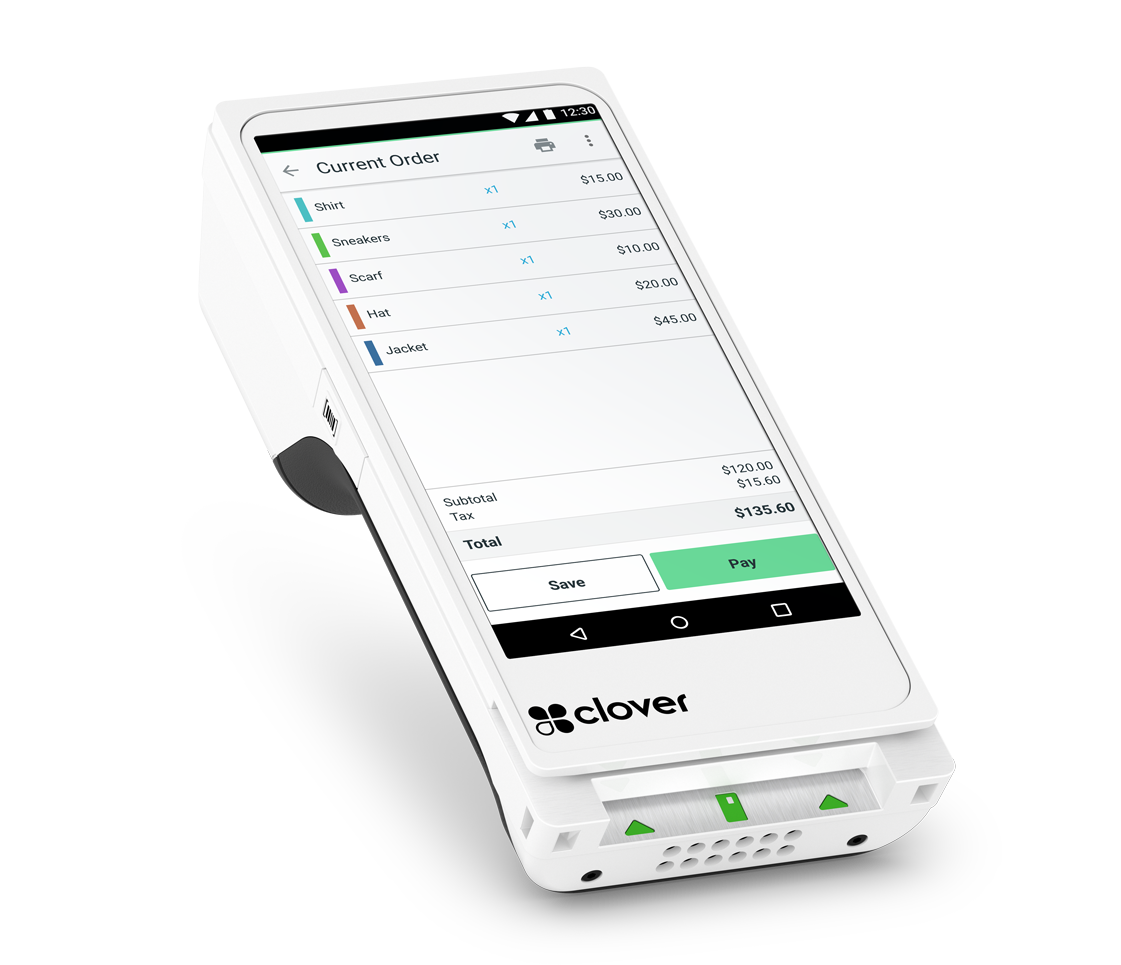
Mobile Reader Illustrative
Recurring & retainers

Billing that does not need a reminder.

A retainer, a service plan or an installment arrangement charges a stored, tokenized payment method on the schedule the client agreed to. Bank debits suit the larger ones, because a card that expires is the most common reason a recurring payment fails.

  • HandlesScheduled card and bank debits, retries, cancellation from one record
  • Good forRetainers, service plans, payment plans, subscriptions
Smart Terminal Illustrative
Reconciliation

One account, one reconciliation.

Links, keyed payments, on-site work and scheduled debits all settle into the same place, with the invoice reference attached. What has been paid, what is outstanding and what is funding to your bank account is one report rather than a spreadsheet built by hand.

  • HandlesPayments matched to invoices, refunds, returns, funding visibility
  • Good forWhoever does the books, and whoever chases what is left
Online Checkout Illustrative
Choosing the rail

The size of the invoice decides how it should be paid.

A firm that bills on terms has four ways to be paid and they are not interchangeable. Which one suits a given invoice depends on how large it is, whether it repeats, and how much the client wants to think about it — and getting that right is worth more than any device on this page.

A payment link on the invoice
The smallest amount of friction there is: the client pays from the document, on the device in their hand, without a call. Best for ordinary invoices where speed of collection is the point.
Bank debit for the large ones
Card cost is a proportion of the amount and bank debit is typically a flat cost per transaction, so the larger the invoice the more the difference matters. It clears more slowly and it behaves differently when it fails — worth understanding before switching a big client onto it.
Recurring for anything that repeats
A retainer, a service plan or a payment plan billed on a schedule against a stored credential, so nobody is re-entering a card every month and nobody is chasing it.
Keyed and virtual for the phone call
Some clients will always want to read a number down the line. That is a card-not-present transaction, it is priced differently from a card at a counter, and the authorization record is what answers a dispute months later.
The record is the point
Whichever rail an invoice runs on, what protects you later is a clear authorization record: what was agreed, by whom, and what they saw when they agreed it.
Hardware, if any

Most firms here need almost no hardware.

Gateway & Platform
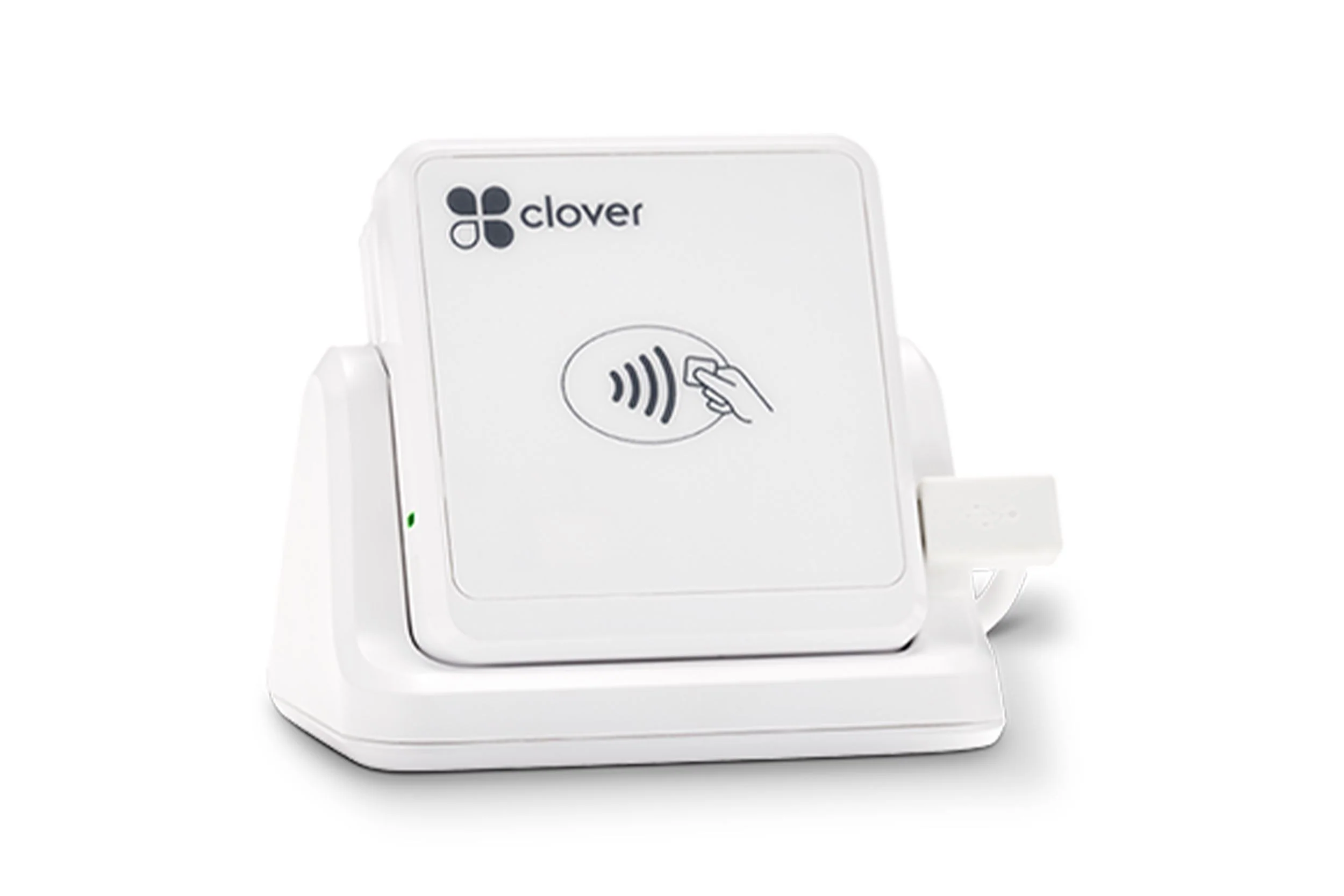
Clover Go

The one worth having, and only if you work on site.

A card reader that pairs with the phone or tablet you already carry, with an optional countertop dock.

  • Payment methodsChip insert and contactless, including NFC mobile wallets such as Apple Pay and Google Pay
  • Reader dimensions3.17 in x 2.21 in x 0.46 in
  • Reader weight2.3 oz
View details for Clover Go

A browser and an email address cover most of this category. Where equipment is genuinely useful it can be purchased outright or financed, including zero-upfront options for qualified merchants, subject to underwriting.

What changes in the ledger

The practical difference to getting paid.

  • Fewer steps between sending and being paid.

    The reason invoices go unpaid is rarely that the client refuses. It is that paying takes a bank login, a reference typed by hand and a decision to do it later. A link in the invoice collapses that into one action taken while the email is still open.

  • Take payment however the client is willing to pay.

    Card, bank debit, payment link, keyed over the phone or on site — all on the same merchant account and the same reporting.

    • Payment links
    • ACH & eCheck
    • Recurring
    • Keyed by phone
    • On site
    • Stored methods
  • Bank debits for the larger balances

    ACH suits invoices and retainers that card limits and card cost get in the way of. It sits alongside card acceptance rather than replacing it, on the same account.

  • Retainers that bill themselves

    A stored, tokenized payment method charged on an agreed schedule, with the authorization record kept alongside it — which is what answers a query about a charge months later.

  • One reconciliation, not three

    Every payment arrives with its invoice reference attached and settles to the same account, so the books are read rather than reconstructed.

Business funding

Capital for the gap between the work and the payment.

Reviewed alongside your processing rather than as a separate application.

  1. Hiring ahead of the work Bringing someone on before the revenue they will generate has arrived.
  2. Software & equipment The systems, licenses and vehicles a firm needs to deliver what it has already sold.
  3. Premises A move, a fit-out, or the deposit on space the team has outgrown.
  4. Working capital Covering the stretch between doing the work, invoicing it and being paid for it.

Programs, amounts and terms are subject to underwriting and approval, and differ by business. Nothing here is an offer of credit.

Why Highline

Set up around how you actually bill.

The setup conversation starts with the invoices you already send rather than with a terminal catalog, because for this category the workflow is the product and the hardware is an afterthought.

Cards and bank debits together
Both on one merchant relationship and one report, so “did they pay?” has a single answer rather than two places to look.
Authorization kept with the payment
What a client agreed to is stored with the transaction record — which is what answers a disputed retainer charge months later.
Breadth behind the account
45+ banking relationships and 20+ supported currencies, so adding bank debit, recurring retainers or occasional on-site work changes the account rather than the provider.
One team for all of it
Processing, the payment platform and funding sit with the same people, so nobody is waiting on a third party to call back.
Questions

Getting paid on terms, answered plainly.

Most questions in this category are really about ACH and recurring billing — the service page covers both in detail.

ACH & eCheck
Can clients pay an invoice without calling me?

Yes — that is usually the first thing worth fixing. A payment link on the invoice lets a client pay from the email it arrived in, by card or by bank debit, without a phone call to either side. The payment arrives already matched to the invoice reference, so reconciliation is not a separate job.

Can I take payments by bank transfer as well as card?

Yes. ACH and eCheck debit a client’s bank account directly, which suits larger invoices and retainers where card limits and card cost get in the way. They are authorized per client, settle on the ACH network’s own timetable rather than at card speed, and sit on the same merchant account as your card acceptance.

Which invoices should go on a card, and which on bank debit?

Size and repetition decide it. Card cost is a proportion of the amount and bank debit is typically a flat cost per transaction, so the larger the invoice the more the difference matters — which is why firms often run small invoices on a card link and move the large recurring balances to ACH.

The trade is not only cost. A card authorizes in seconds and a bank debit clears on its own timetable, and a returned debit behaves nothing like a chargeback — different reasons, different windows, different remedy. It is worth understanding both before moving a significant client, which is a conversation rather than a setting.

Can I bill a retainer automatically each month?

Yes. A stored, tokenized payment method — card or bank account — can be charged on the schedule the client agreed to. What makes it work is the authorization record: the amount or how it is calculated, how often it is taken, when it starts and how the client stops it. That record is what answers a disputed charge later.

Do I need any hardware at all?

Often none. The virtual terminal turns a browser into a way to key a card over the phone, and payment links need nothing but email. A paired mobile reader is worth having only if you take payment on a client’s premises. Nobody should be selling you a counter terminal for a business that does not have a counter.

How do you handle deposits and staged payments?

The same way as any other payment, with the schedule agreed in writing first: a deposit at engagement, staged amounts against milestones, and a balance on completion. Each one is a link or a scheduled debit against the same client record, so what has been paid and what has not is visible without a spreadsheet.

How is my processing rate determined?

By your business type, your monthly volume, your average invoice and how your payments split between keyed, online and bank debit — a firm with a handful of large invoices looks nothing like one with hundreds of small ones. Rather than quote a rate first, we review a recent processing statement. Any figure shown before that review is an estimate, not an offer.

Get started with Highline

Ready to stop chasing paid invoices?

Invoice. Retainer. On site. One account.

  • Statement analysis before you switch
  • Cards and bank debits on one relationship
  • Every payment matched to its invoice